

Mastering Commercial Cleaning Best Practices Guide
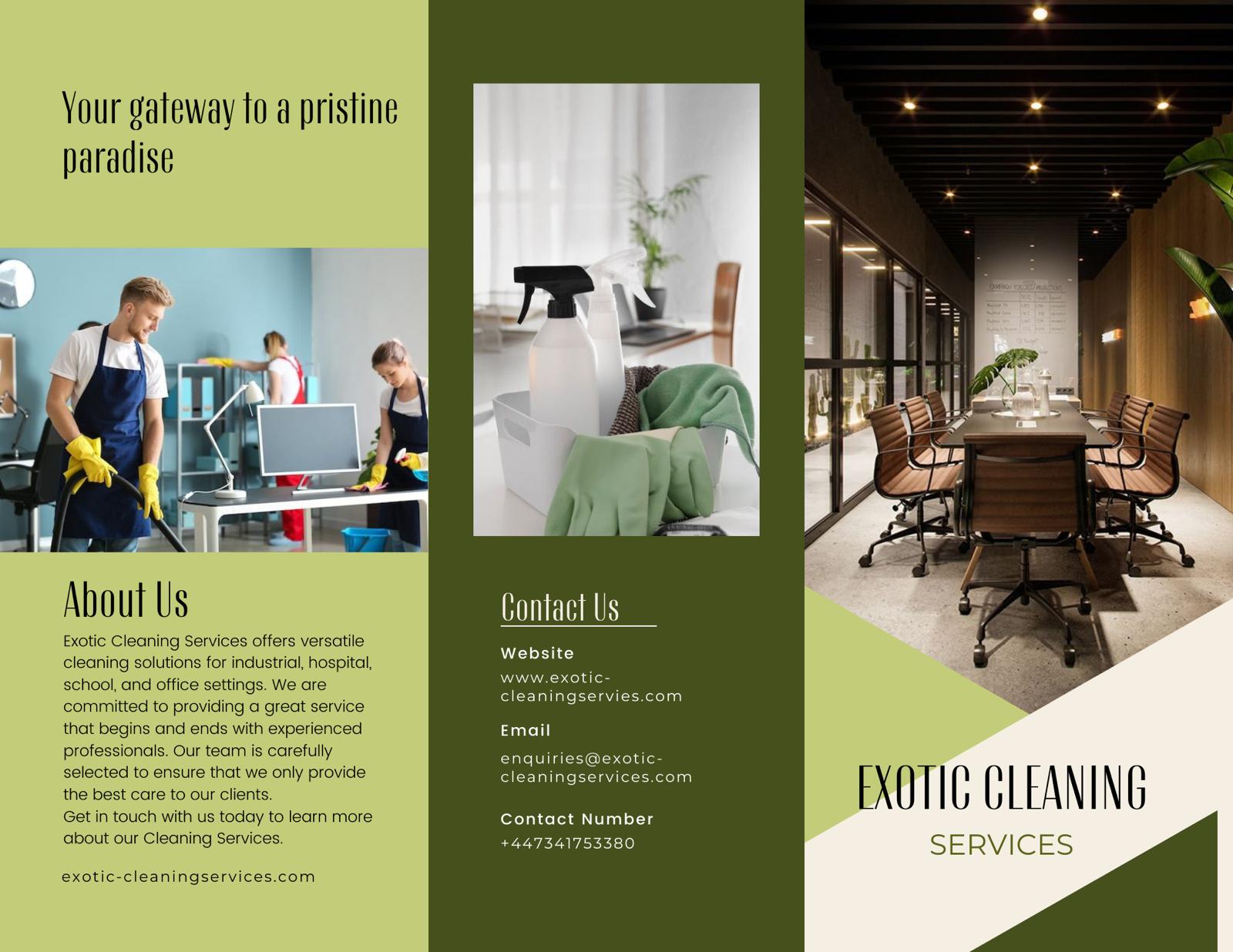
Keeping commercial spaces spotless is more than just a chore - it’s a vital part of maintaining a healthy, productive environment. I’ve learned that mastering commercial cleaning best practices is essential for any business or institution aiming to impress clients, protect employees, and extend the life of their facilities. In this guide, I’ll share practical tips and proven strategies to help you elevate your cleaning routine and achieve outstanding results every time.
Why a Cleaning Best Practices Guide Matters
A well-structured cleaning plan does more than just keep surfaces shiny. It safeguards health, boosts morale, and supports sustainability. When you follow a cleaning best practices guide, you create a consistent, efficient process that saves time and resources. Here’s why it’s so important:
Health and Safety: Regular cleaning reduces germs and allergens, lowering the risk of illness.
Professional Appearance: A clean space reflects well on your business and builds trust.
Longevity of Assets: Proper cleaning extends the life of furniture, flooring, and equipment.
Environmental Responsibility: Using eco-friendly products and methods helps protect the planet.
By focusing on these benefits, you can see why a cleaning best practices guide is a smart investment for any commercial setting.

Essential Elements of a Cleaning Best Practices Guide
Creating an effective cleaning guide means covering all the bases. Here are the key elements I always include to ensure thoroughness and efficiency:
1. Clear Cleaning Schedules
Set specific times for daily, weekly, and monthly tasks. For example:
Daily: Empty trash, disinfect high-touch areas, sweep floors.
Weekly: Deep clean restrooms, dust vents, mop floors.
Monthly: Clean windows, polish furniture, check HVAC filters.
Scheduling helps avoid missed spots and keeps the space consistently clean.
2. Proper Use of Cleaning Products
Choose the right products for each surface. Avoid harsh chemicals on delicate materials. Always follow manufacturer instructions and use personal protective equipment (PPE) when necessary.
3. Training and Safety Protocols
Train staff on correct techniques and safety measures. This reduces accidents and improves cleaning quality. Emphasize hand hygiene, proper lifting, and safe chemical handling.
4. Equipment Maintenance
Regularly inspect and maintain cleaning tools like vacuums, mops, and scrubbers. Well-maintained equipment works better and lasts longer.
5. Documentation and Feedback
Keep records of cleaning activities and encourage feedback. This helps identify problem areas and improve processes over time.
Step-by-Step Cleaning Procedures for High-Traffic Areas
High-traffic zones like lobbies, restrooms, and break rooms require special attention. Here’s a step-by-step approach I recommend:
Lobby and Reception Areas
Dust and wipe all surfaces: Desks, counters, and furniture.
Disinfect high-touch points: Door handles, light switches, elevator buttons.
Vacuum or mop floors: Use appropriate cleaners for the floor type.
Empty trash bins: Replace liners promptly.
Check and restock supplies: Hand sanitizer, tissues, and brochures.
Restrooms
Clean and disinfect toilets and urinals: Use strong disinfectants.
Wipe sinks and faucets: Remove soap scum and water spots.
Clean mirrors and countertops: Use glass cleaner for a streak-free shine.
Mop floors with disinfectant: Pay attention to corners and under fixtures.
Restock paper products and soap: Ensure everything is fully stocked.
Break Rooms and Kitchens
Wipe down tables and countertops: Remove crumbs and spills.
Clean appliances: Microwave, refrigerator handles, coffee machines.
Sweep and mop floors: Use degreasing agents if needed.
Empty trash and recycling bins: Replace liners.
Sanitize sinks and faucets: Prevent bacterial buildup.
Following these steps consistently keeps these busy areas hygienic and welcoming.

Sustainable Cleaning Practices That Work
Sustainability is no longer optional. It’s a responsibility. I always encourage businesses to adopt eco-friendly cleaning methods that protect the environment without sacrificing quality. Here are some practical tips:
Use biodegradable and non-toxic products: These reduce harmful chemical exposure.
Implement microfiber cloths: They clean effectively with less water and chemicals.
Reduce water waste: Use spray bottles and damp mops instead of running water.
Recycle and compost waste: Separate trash to minimize landfill contributions.
Choose energy-efficient equipment: Save electricity and reduce carbon footprint.
Sustainable cleaning not only benefits the planet but also enhances your company’s reputation as a responsible organization.
How to Measure Cleaning Effectiveness
Knowing your cleaning efforts are working is crucial. Here are some ways I track and improve cleaning effectiveness:
Visual Inspections: Regular walkthroughs to spot missed areas.
Checklists: Ensure all tasks are completed on schedule.
Surface Testing: Use ATP (adenosine triphosphate) meters to detect organic residues.
Feedback from Occupants: Encourage staff and visitors to report issues.
Review Cleaning Logs: Analyze trends and adjust procedures accordingly.
By measuring results, you can fine-tune your cleaning program and maintain high standards.
Building Lasting Relationships Through Reliable Cleaning
Consistency and reliability are the cornerstones of successful commercial cleaning. When you master these best practices, you build trust with your clients and stakeholders. Here’s how to maintain strong relationships:
Communicate Clearly: Keep everyone informed about cleaning schedules and any changes.
Be Responsive: Address concerns promptly and professionally.
Offer Customized Solutions: Tailor cleaning plans to specific needs and preferences.
Demonstrate Commitment: Show dedication to quality and sustainability.
Provide Training and Support: Empower your team to deliver excellent service.
By focusing on these qualities, you create a dependable cleaning program that supports your business goals.
Mastering commercial cleaning best practices is a journey that pays off with healthier, more attractive, and longer-lasting commercial spaces. With clear schedules, proper products, sustainable methods, and ongoing evaluation, you can achieve outstanding cleanliness and build lasting partnerships. Start implementing these strategies today and watch your environment transform into a shining example of professionalism and care.


Comments